
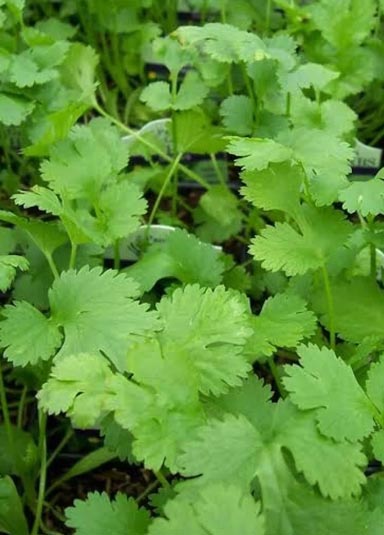
Coriander
Scientific Name: Coriandrum sativum
Family: Apiaceae (Umbelliferae)
Common Names: Coriander, Cilantro, Arab Coriander, Kusbara, Kuzbar, Qusair.
Coriander is an annual herb grown worldwide as a popular culinary plant and spice. It is also used in traditional and folk medicine.
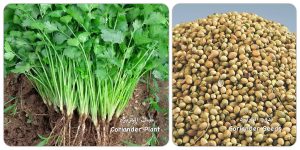
1- Health and Medicinal Benefits
Coriander is considered one of the medicinal herbs used in traditional or folk medicine to treat certain health issues such as:
Antioxidant: Coriander contains strong antioxidants like quercetin, which help fight free radicals and reduce oxidative stress.
Digestive support: It enhances digestion and helps relieve bloating and gas. It is believed to aid in the secretion of digestive enzymes and juices.
Improving blood sugar levels: Coriander may help regulate blood sugar levels, making it beneficial for people with diabetes.
Anti-inflammatory properties: It can help reduce inflammation in the body thanks to its anti-inflammatory compounds.
Heart health support: Coriander may help lower bad cholesterol (LDL) and increase good cholesterol (HDL), supporting heart health.
Enhancing skin health: It contains antibacterial and antifungal properties that may help treat skin problems such as acne and skin infections.
Rich in nutrients: Coriander contains vitamins A, C, and K, in addition to folic acid, potassium, and iron.
More… Description and plant characteristics – culinary uses – aromatic compounds

