
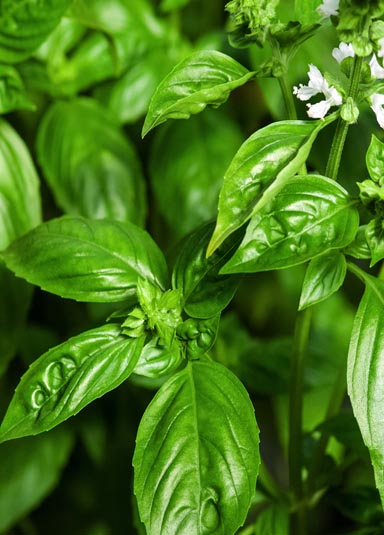
Basil
Scientific Name: Ocimum basilicum
Family: Lamiaceae (Mint family)
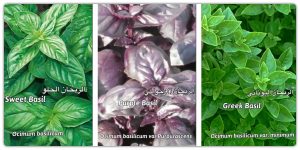
Common names: Sweet basil, basil, basilic, royal basil, Italian basil
Basil is an aromatic herb belonging to the mint family (Lamiaceae). It typically grows between 30 and 60 cm in height. It is widely used in cooking and in traditional herbal medicine.
1- Health and Medical Benefits
Antioxidant:
Basil is rich in antioxidants such as flavonoids and polyphenols, which help protect the body from damage caused by free radicals, thereby reducing the risk of chronic diseases.Anti-inflammatory:
Basil contains compounds such as eugenol, linalool, and citronellol that help reduce inflammation in the body and ease symptoms associated with inflammatory conditions such as arthritis.Immune Support:
Basil contains vitamin C, vitamin A, iron, and beta-carotene, which help strengthen the immune system and increase the body’s resistance to diseases.Improving Digestive Health:
Basil can help enhance digestion and reduce gas and bloating. It is also believed to have soothing effects on the stomach and intestines.Antibacterial and Antifungal:
The essential oils in basil have antibacterial and antifungal properties, which help fight infections and improve oral and skin health, in addition to regulating blood sugar levels.Other Benefits:
Reducing stress and anxiety, improving heart health, supporting skin health, and helping in diabetes management.

