
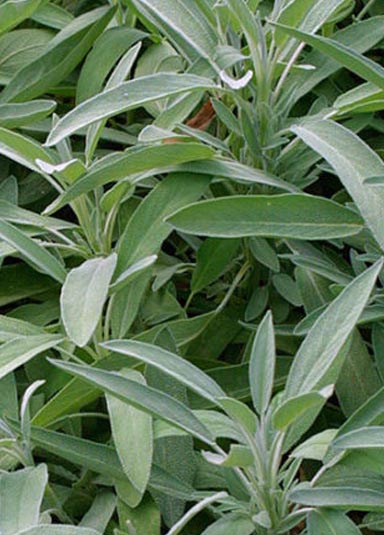
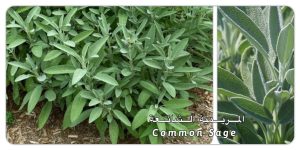
Common Sage
Scientific Name: Salvia officinalis L.
Family: Lamiaceae (Mint family)
Common sage (Salvia officinalis) is known by many names, including: sage, mountain tea, qassa’een, garden sage, field sage, jada, the healing herb, aizayqan, culinary sage, na‘ama, qweisa, salmiya, and others.
1- Health and Medicinal Benefits
Sage is used in both traditional and modern medicine for many purposes due to its diverse therapeutic properties, including:
Improved digestion: Sage can help relieve digestive issues such as bloating and indigestion.
Memory enhancement: Some studies suggest that sage may help improve cognitive function and memory.
Anti-inflammatory properties: It contains compounds that act as anti-inflammatories, helping reduce pain and inflammation.
Immune system support: Sage is rich in antioxidants that help strengthen the immune system and fight diseases.
Blood sugar regulation: Sage may help regulate blood sugar levels, making it beneficial for people with diabetes.
Oral health: Sometimes used as a mouthwash to support gum and dental health.
Cosmetic benefits: Sage leaf extracts are used in skincare and haircare products due to their antibacterial and antioxidant properties.
More… Description and characteristics – culinary uses – aromatic compounds

